Let sleeping Ones lie
A single-player, fantasy, exploration game where players uncover the remains of a ruined city, its former inhabitants, and a recurring dream.
Project Details
Release Date: Fall 2019
Development Time: 13 weeks (1 semester)
Platform: PC
Engine: Unity
Behind the Design
Let sleeping Ones lie was developed as a class project that focused on level design and fantasy. Its atmosphere and core mechanics were inspired by the stories of H.P. Lovecraft, which have themes of absolute helplessness and inevitable doom, while the sunken city was inspired by the city of Manila, Philippines.
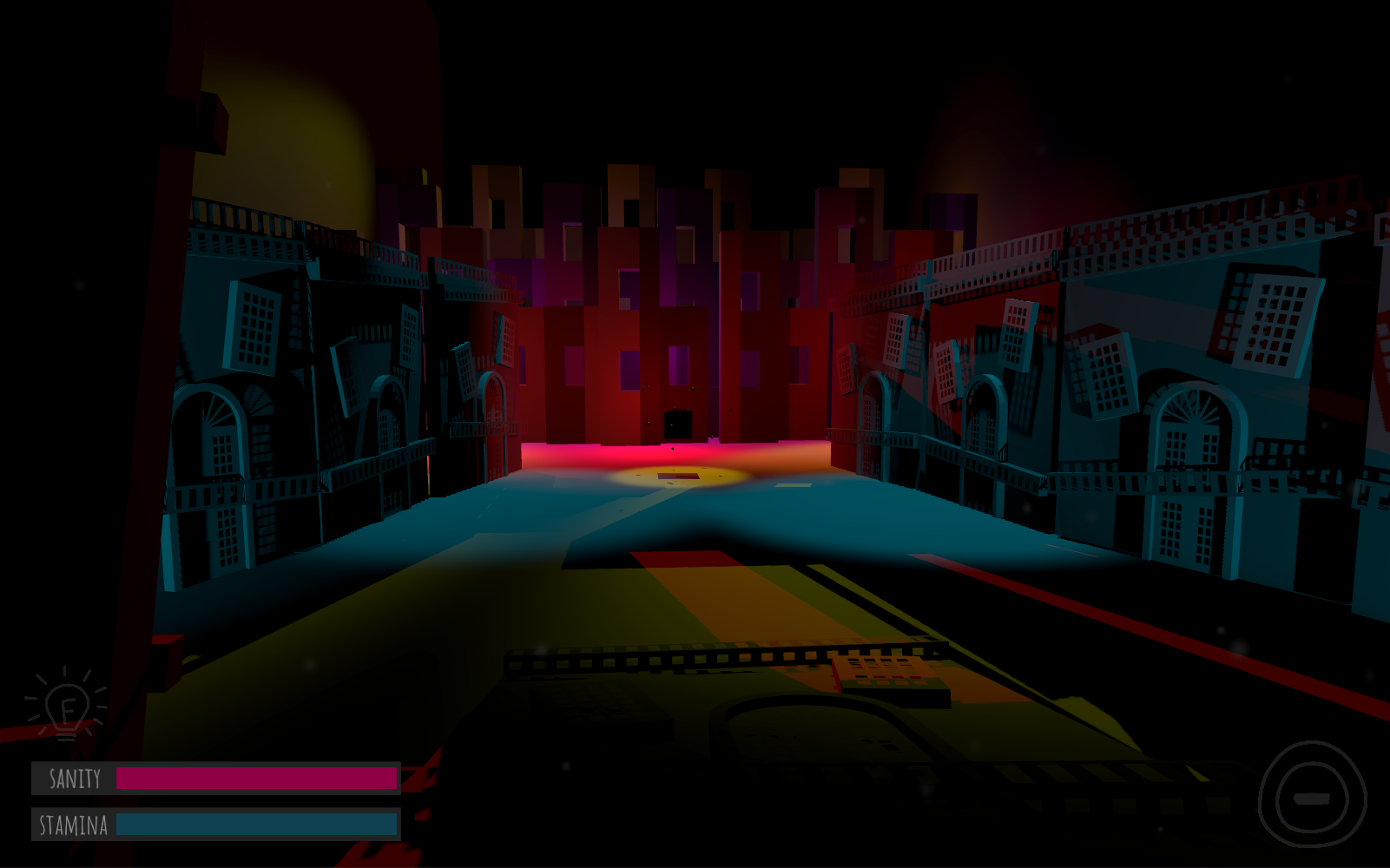
Winding city streets
Makeshift houses surrounded by tall buildings
The end goal based on the Rizal Monument
Overview
This prototype is a complete remake of an idea from the previous year, which can be found here. We were tasked to create a polished version of an old project but I decided to overhaul the whole thing to focus on integrating the narrative with level design.
Let sleeping Ones lie is a game about someone who has a recurring dream of a sunken city. They find knowledge they wish they didn’t have with every iteration of their dream. In each level, the player reaches a “black box.”
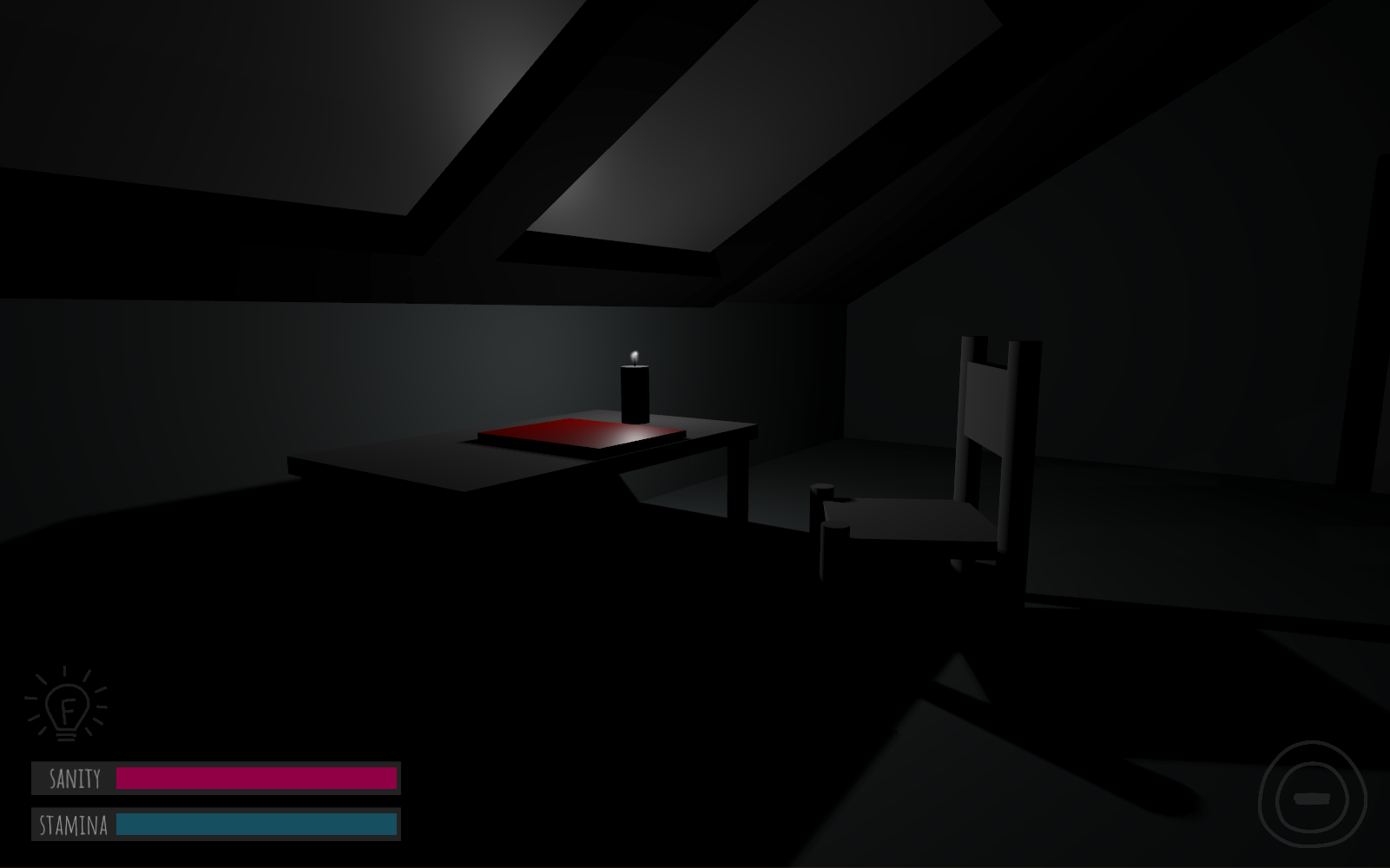
Throughout the level, players can find scorch marks on the walls to hint at what had happened to the previous inhabitants of the city and guide them through it. They serve as small bits of exploration rewards for those curious enough to look around. Journal entries can also be found as a more explicit way of progressing the narrative. The last journal is found in a small building surrounded by scorch marks. It asks the player to stay, implying that the inhabitants are still there watching the player.
Every asset was made with a combination of Blender, Affinity Designer, and Unity’s modeling package, ProBuilder, while Cinemachine was used to control camera sequences. Audio was sourced through our school’s sound library and the asset store.
Level Design
How can level design tell the story?
I was curious to see how anamorphic art and optical illusions could be used to do this — but it was much harder to pull off without forcing players to look at something a specific way. I didn’t want to remove the freedom of players, which is why I compromised by using light and shadows instead.
Originally, the player’s light was strong enough to negate the shadows on the walls. It was weakened to encourage players to turn their lights off and uncover a more dramatic image.
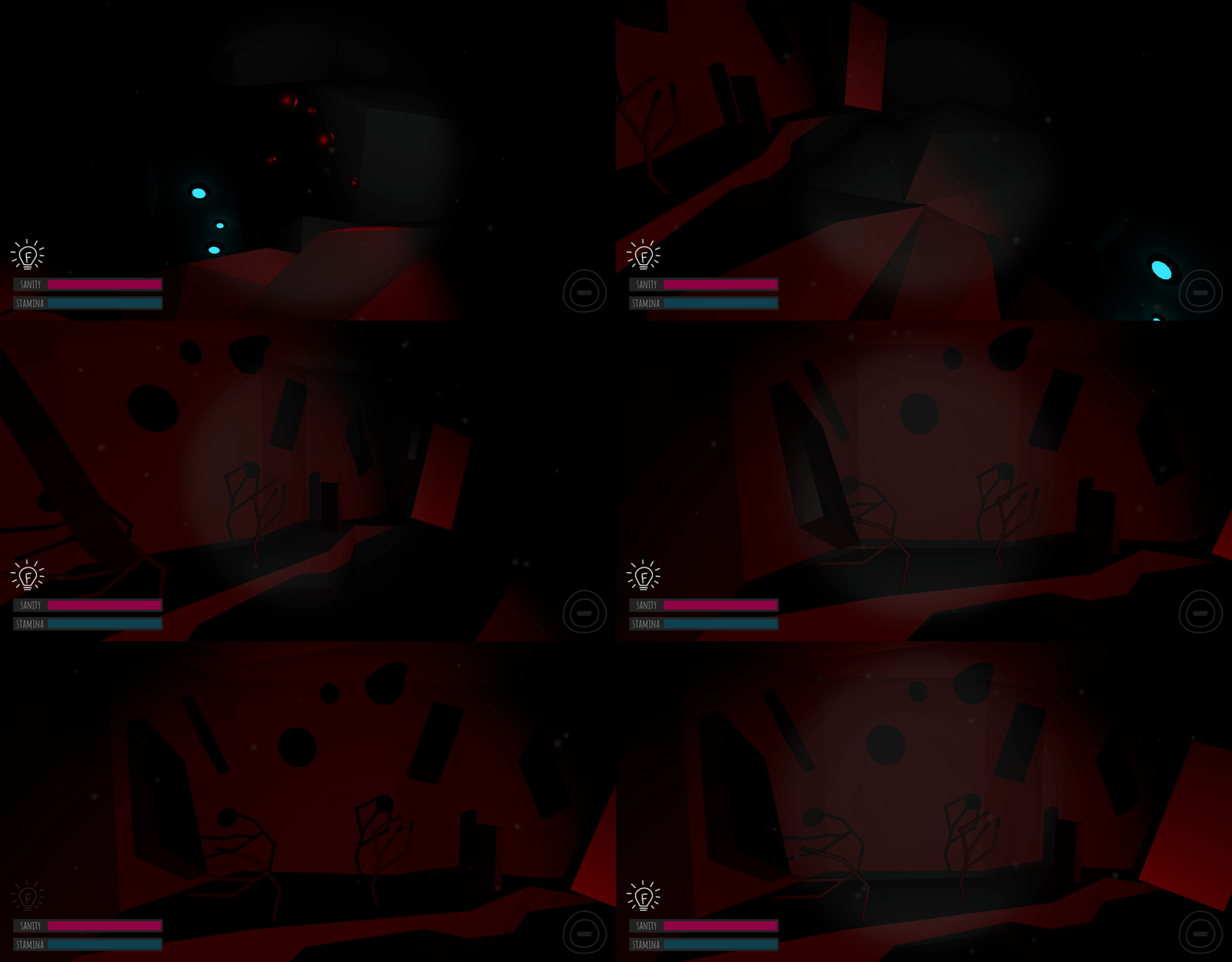
Turning off their light will reveal a more dramatic image of the shadows
How do I want my players to feel?
To incorporate Lovecraftian horror, players had to feel small and helpless. The goal was to create a sense of dread as they travel through the first level, which culminates at the reveal.
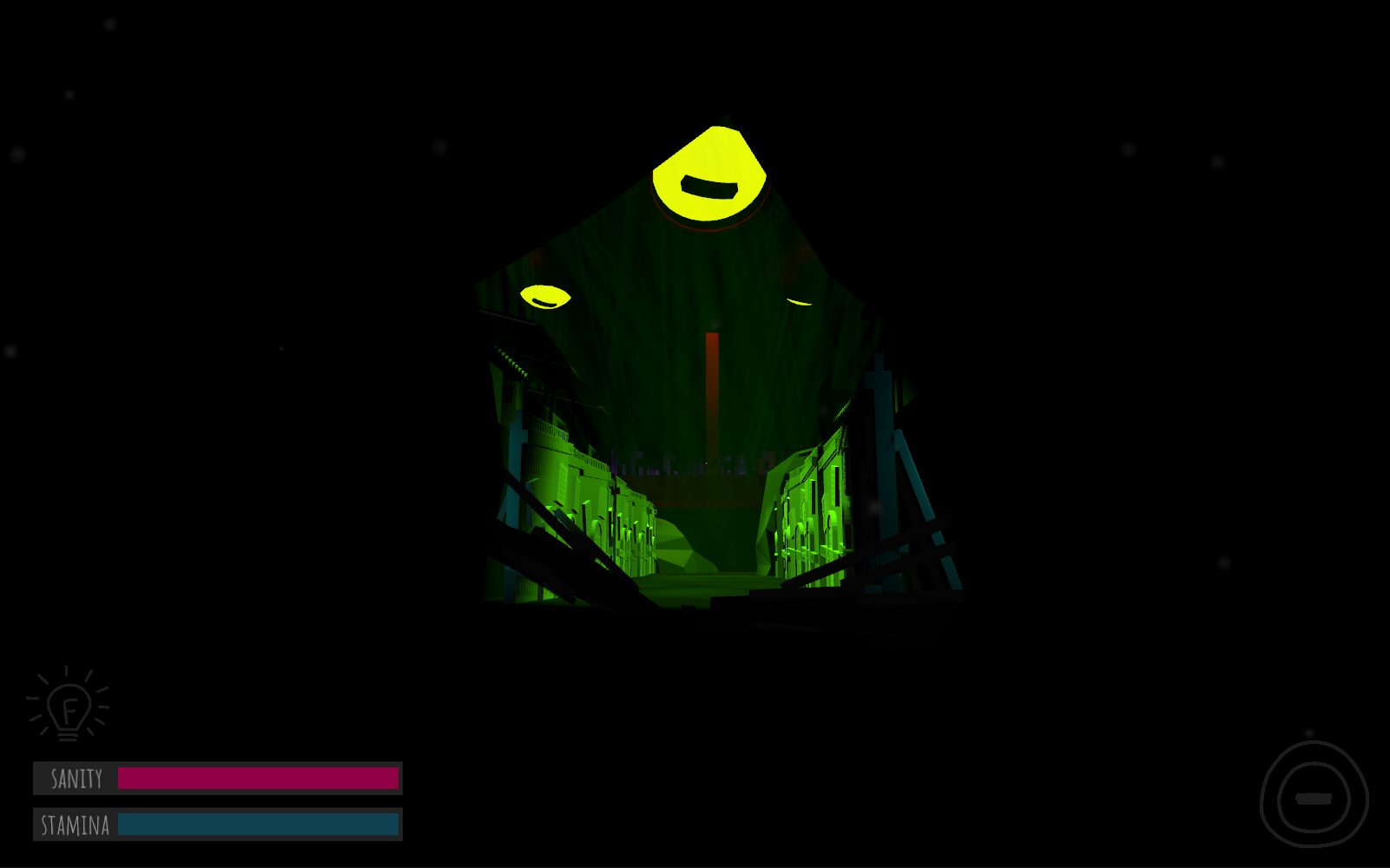
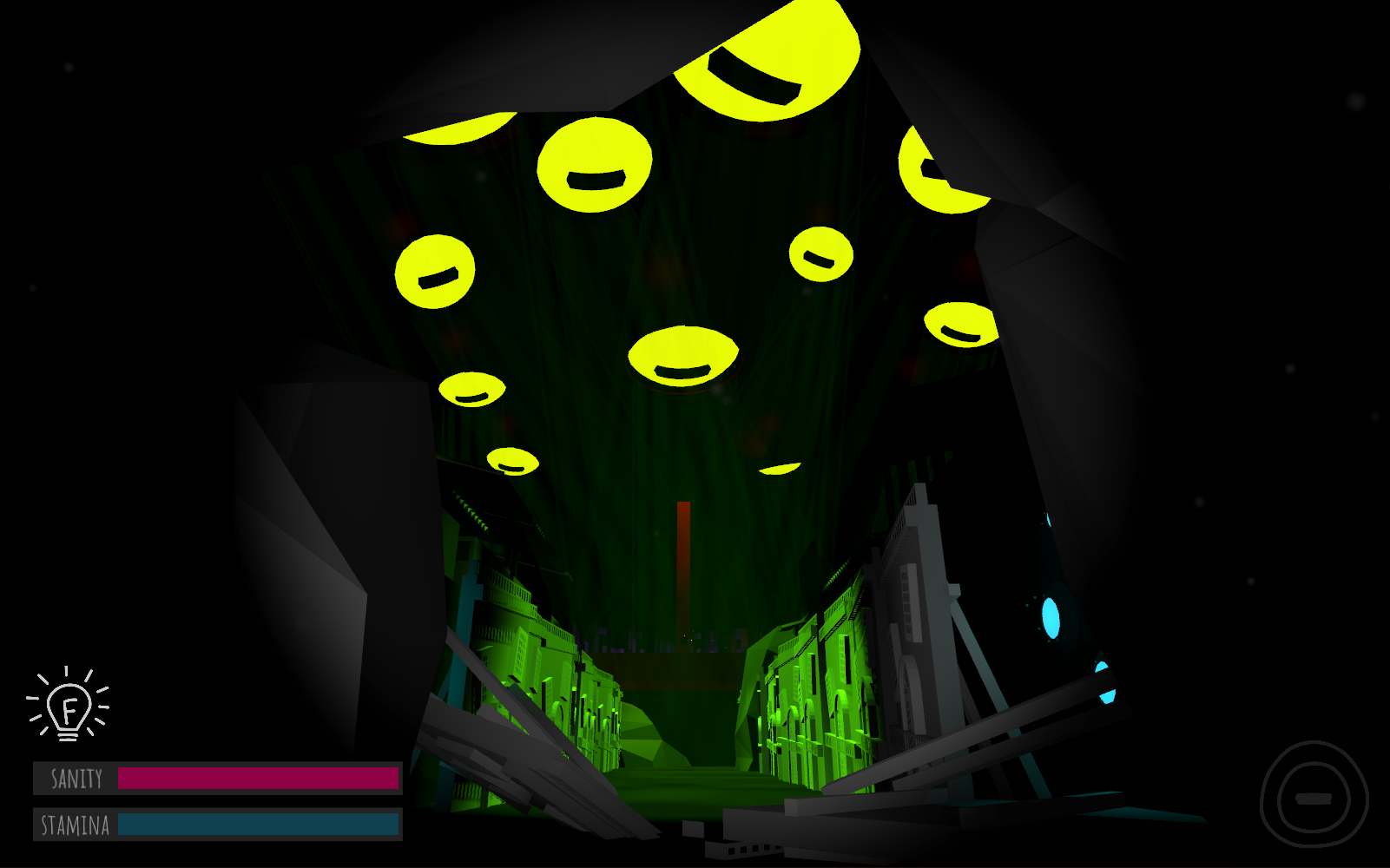
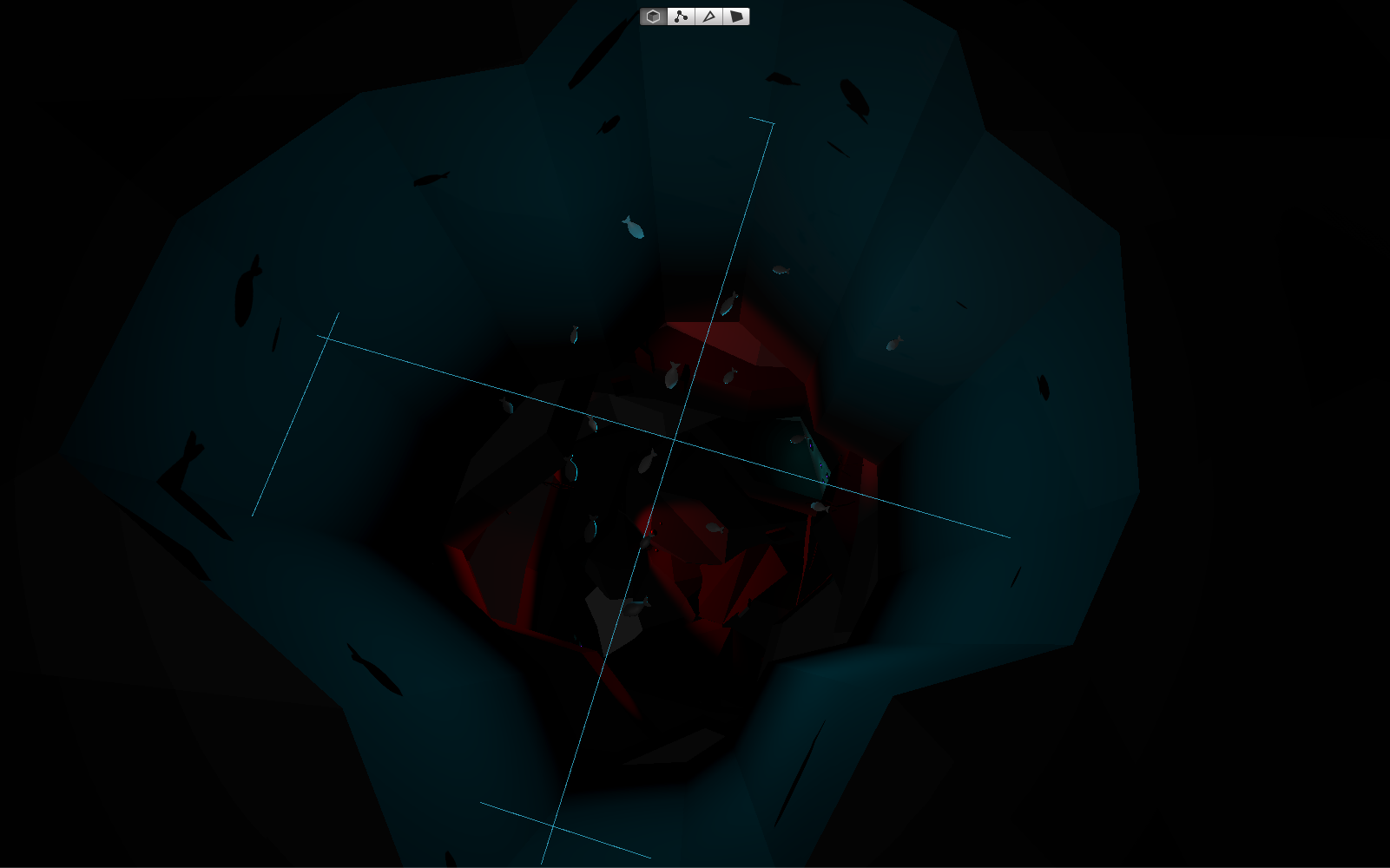
The reveal is the most important part of the second level. It’s meant to entice the player, lead them out of the starting area, and show them their goal. It also introduces them to the main antagonist and sets the tone for the rest of the game, creating a sense of cosmic horror. (Horror is a completely different can of worms but my small pool of playtesters described the experience as “creepy,” “spooky,” and “atmospheric” so I’ll take that as a win.)
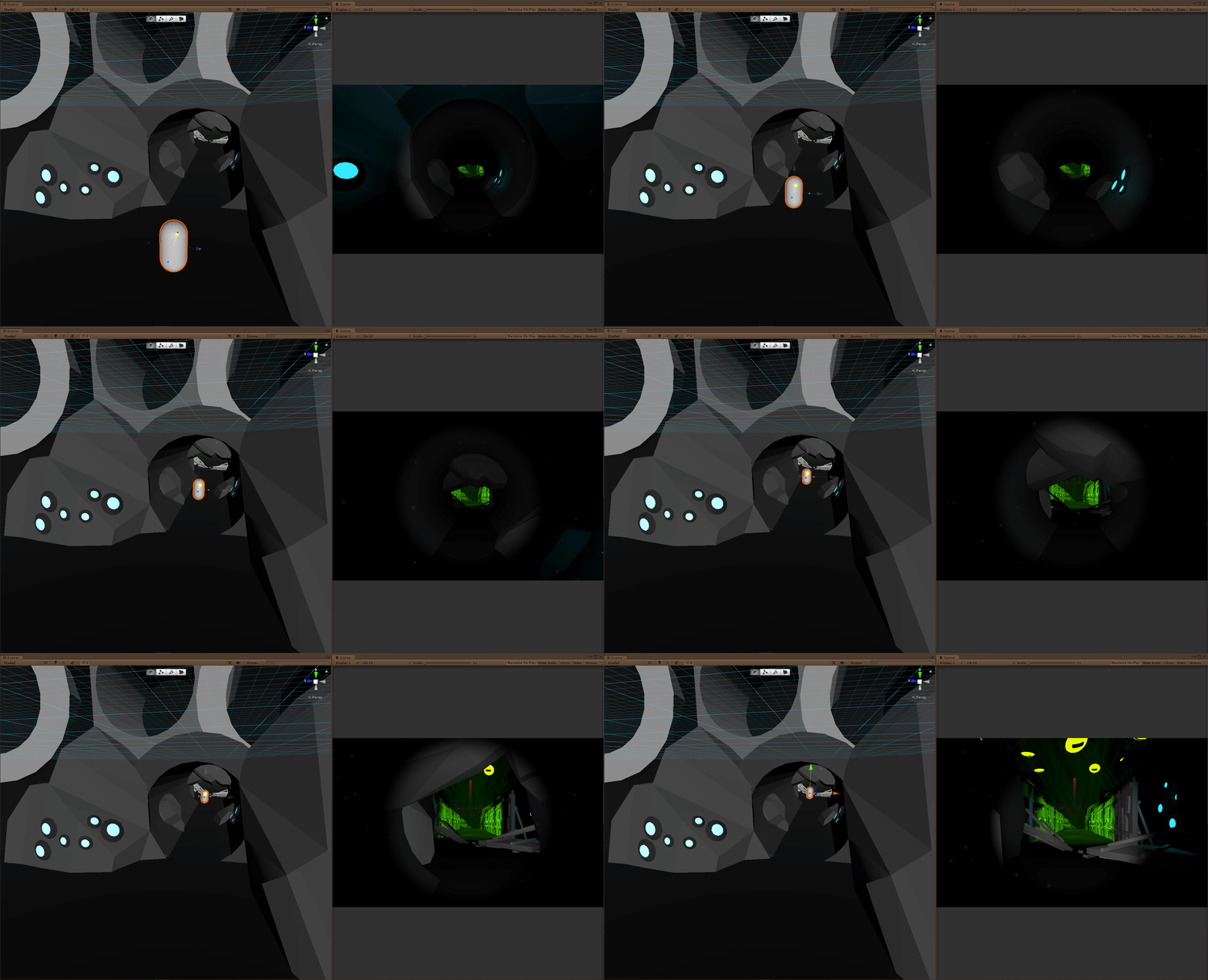
Revealing the goal to the player: a side-by-side comparison in Unity’s scene editor and game preview
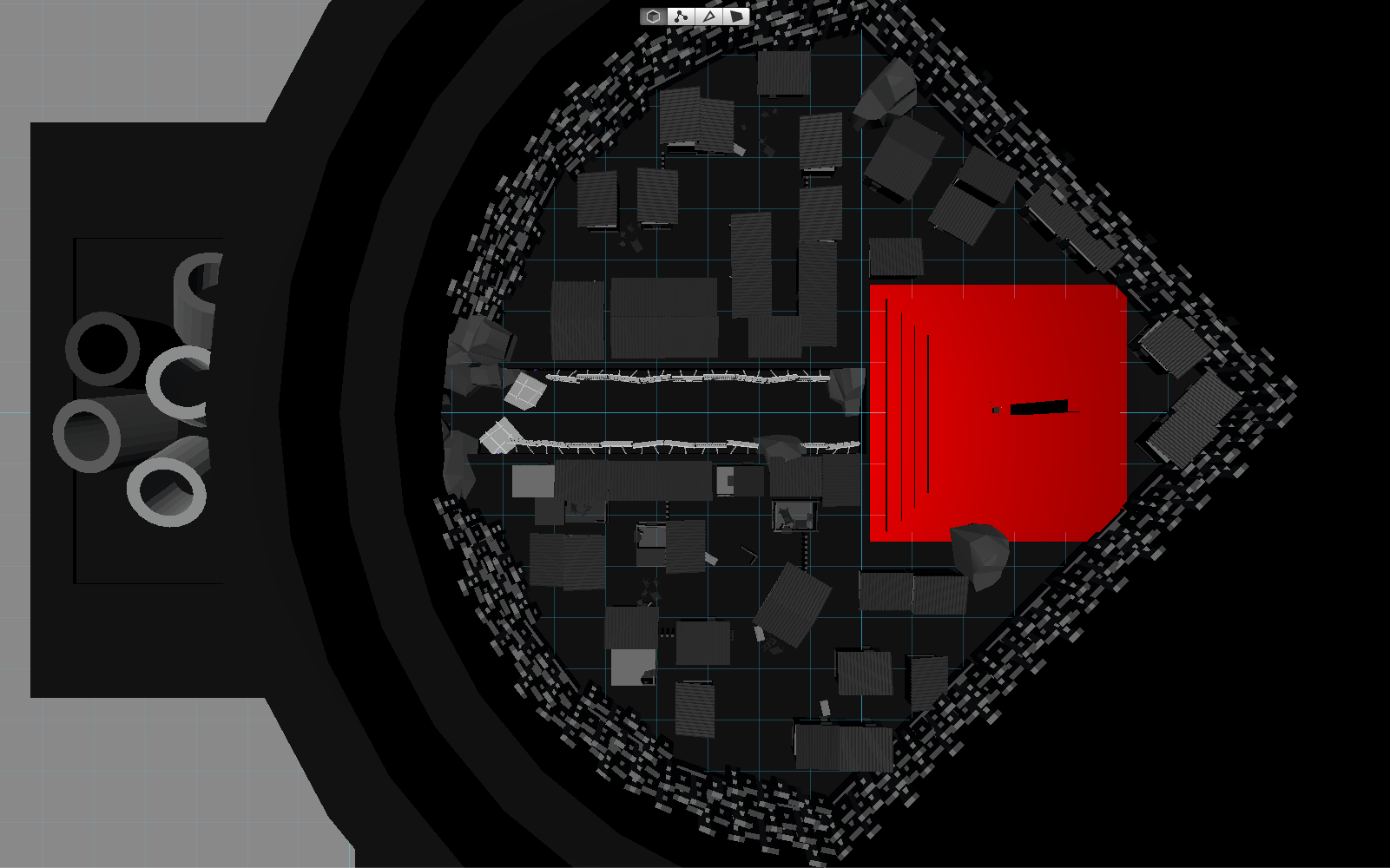
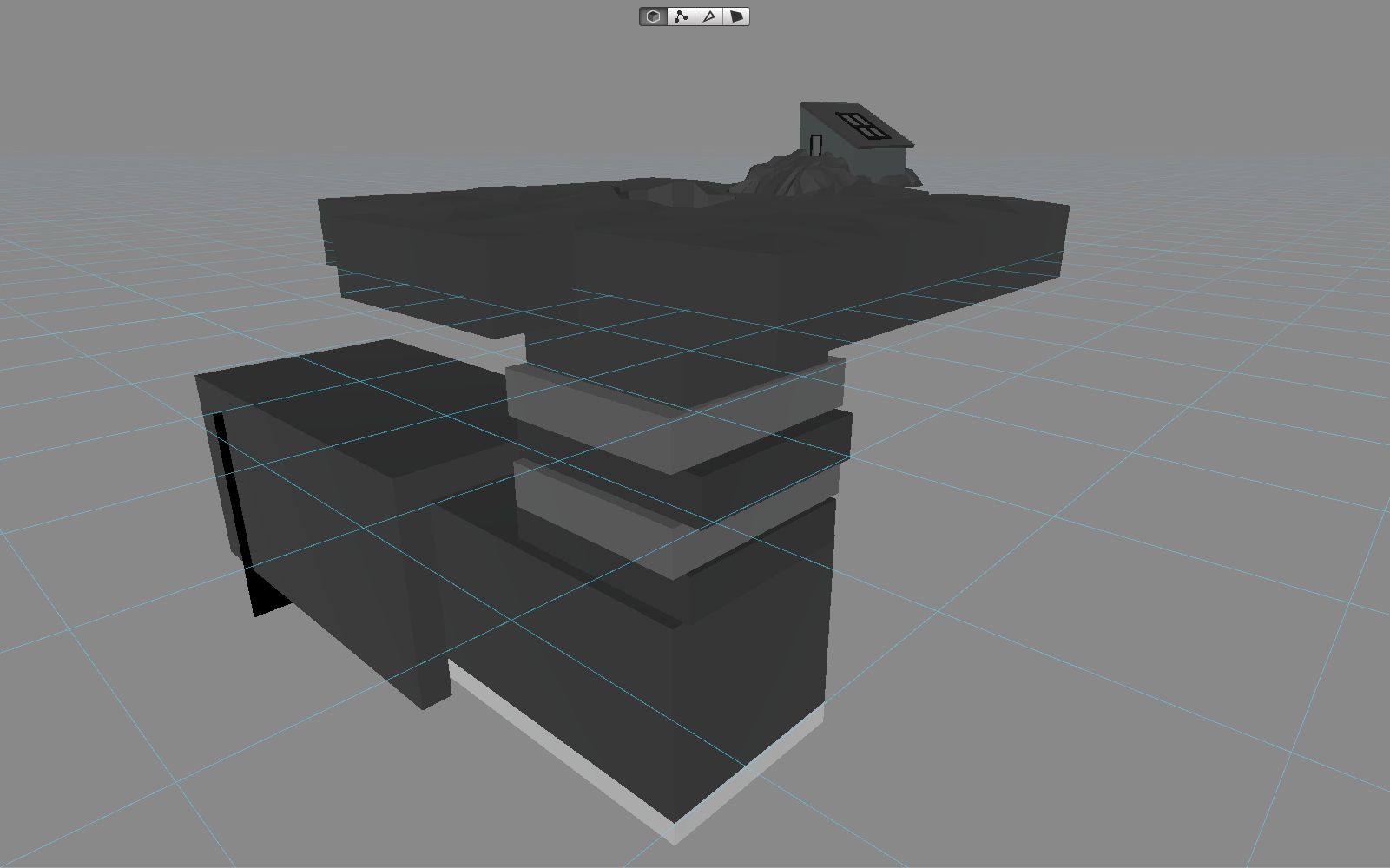
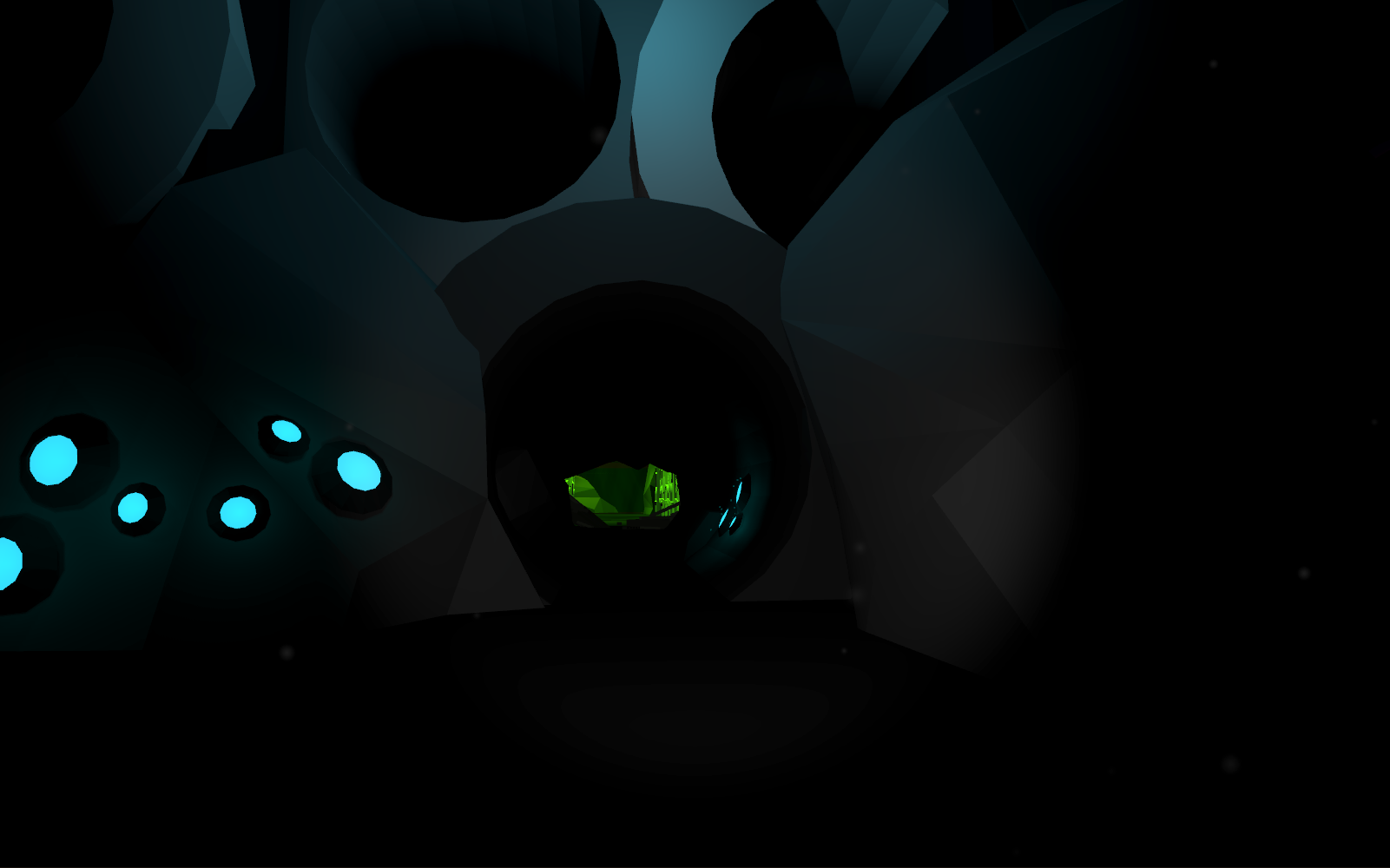
Rocks were positioned in a way that forced the player to stay low. The main street is lined with facades that hide the rest of the level.
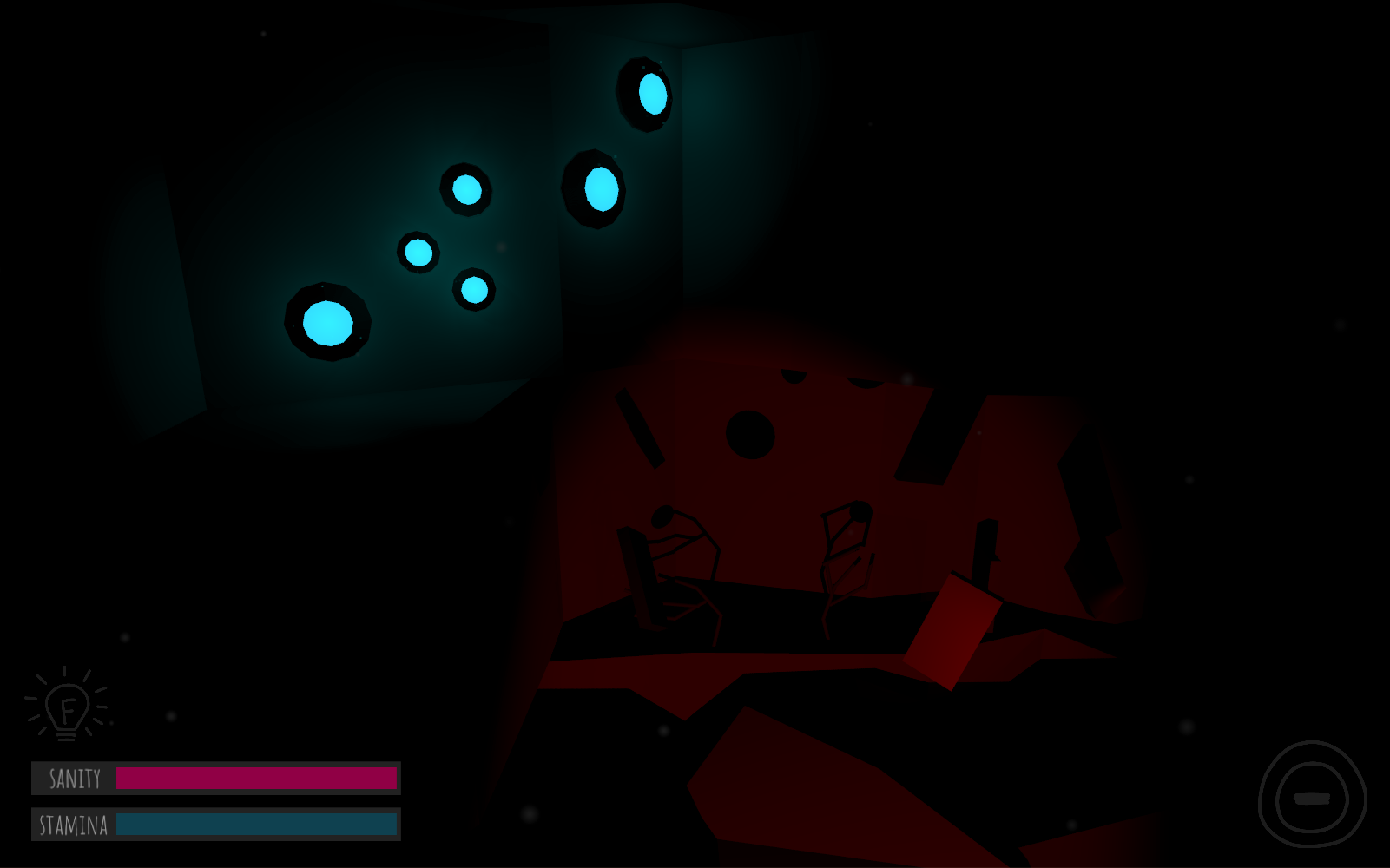
The height difference between buildings allow for the goal to be seen throughout the level while bioluminescent orbs can be seen through windows to encourage interior exploration. The player can enter houses and find scorch marks or journals that progress the narrative. They are encouraged to roam outside to orient themselves towards the goal.
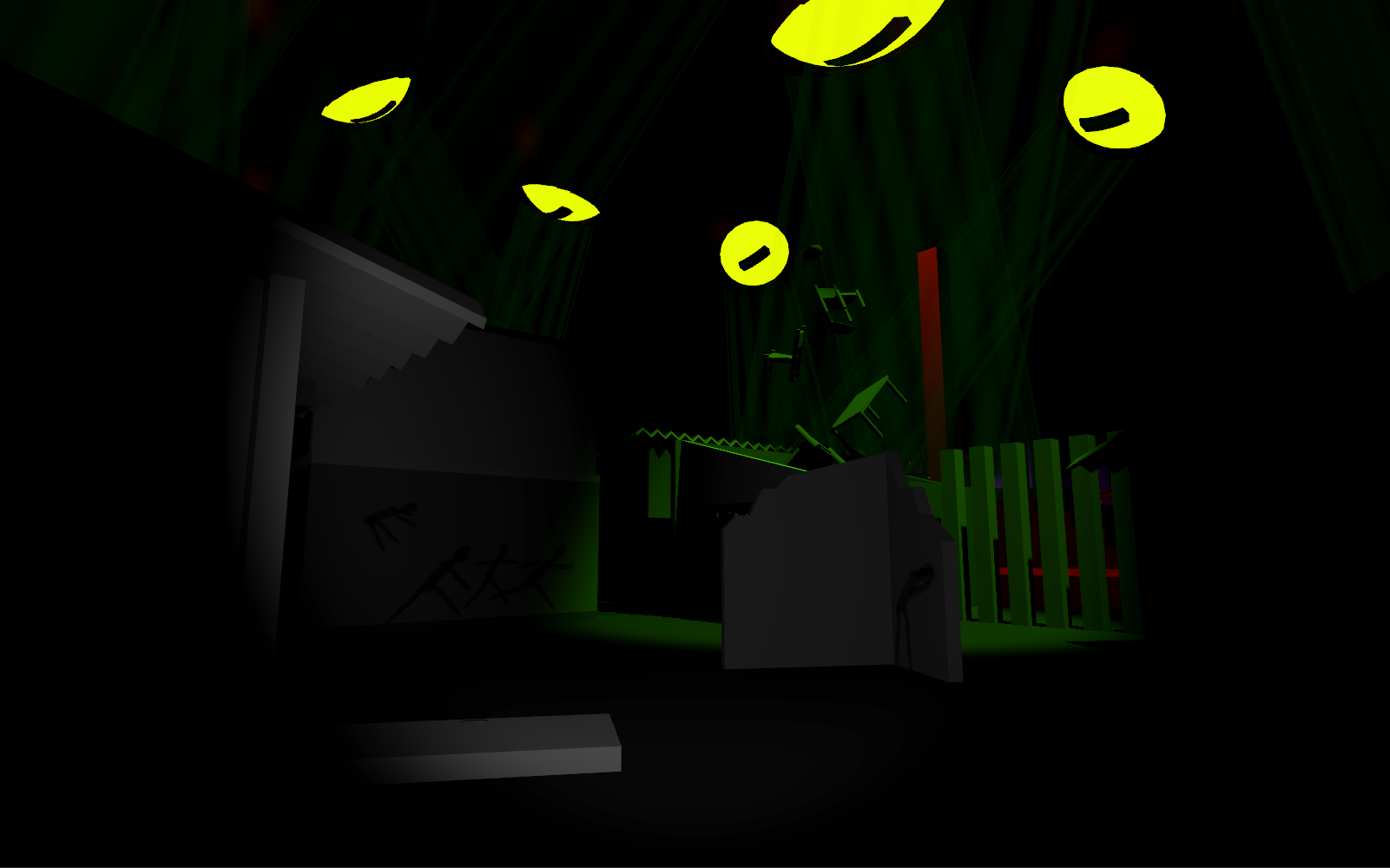
Floating furniture are used to help lead the player through cracks in the ceiling or through walls.
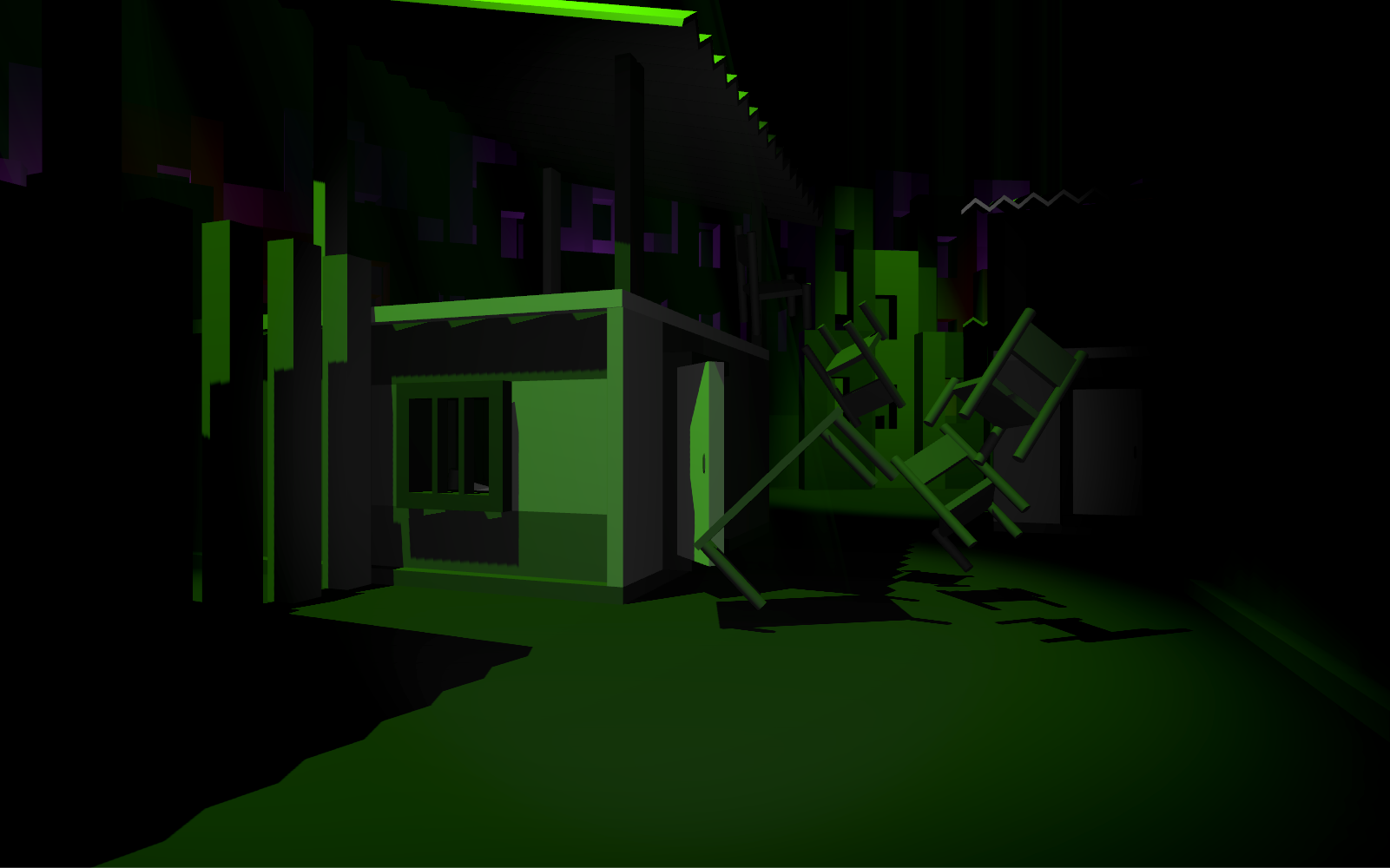
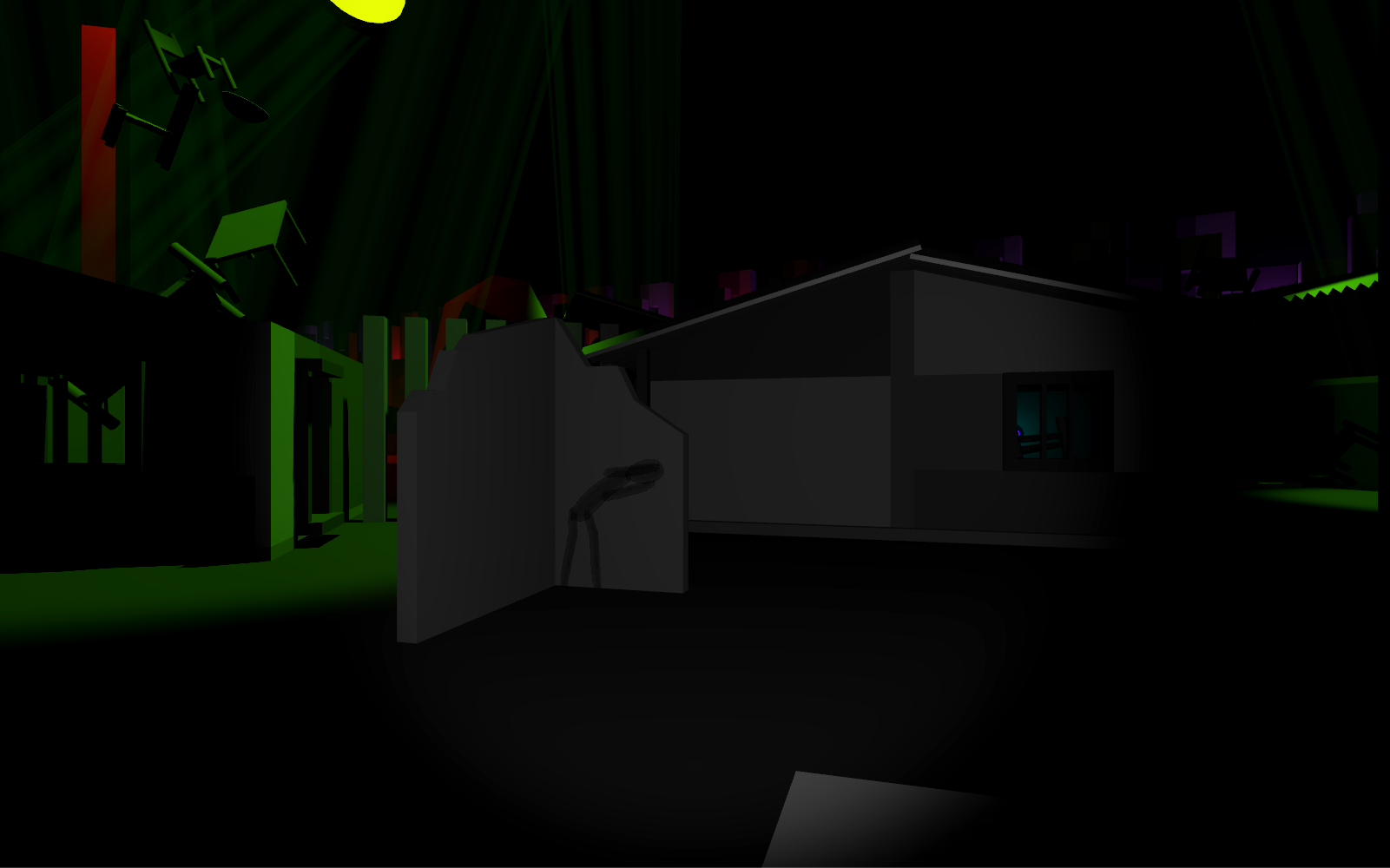
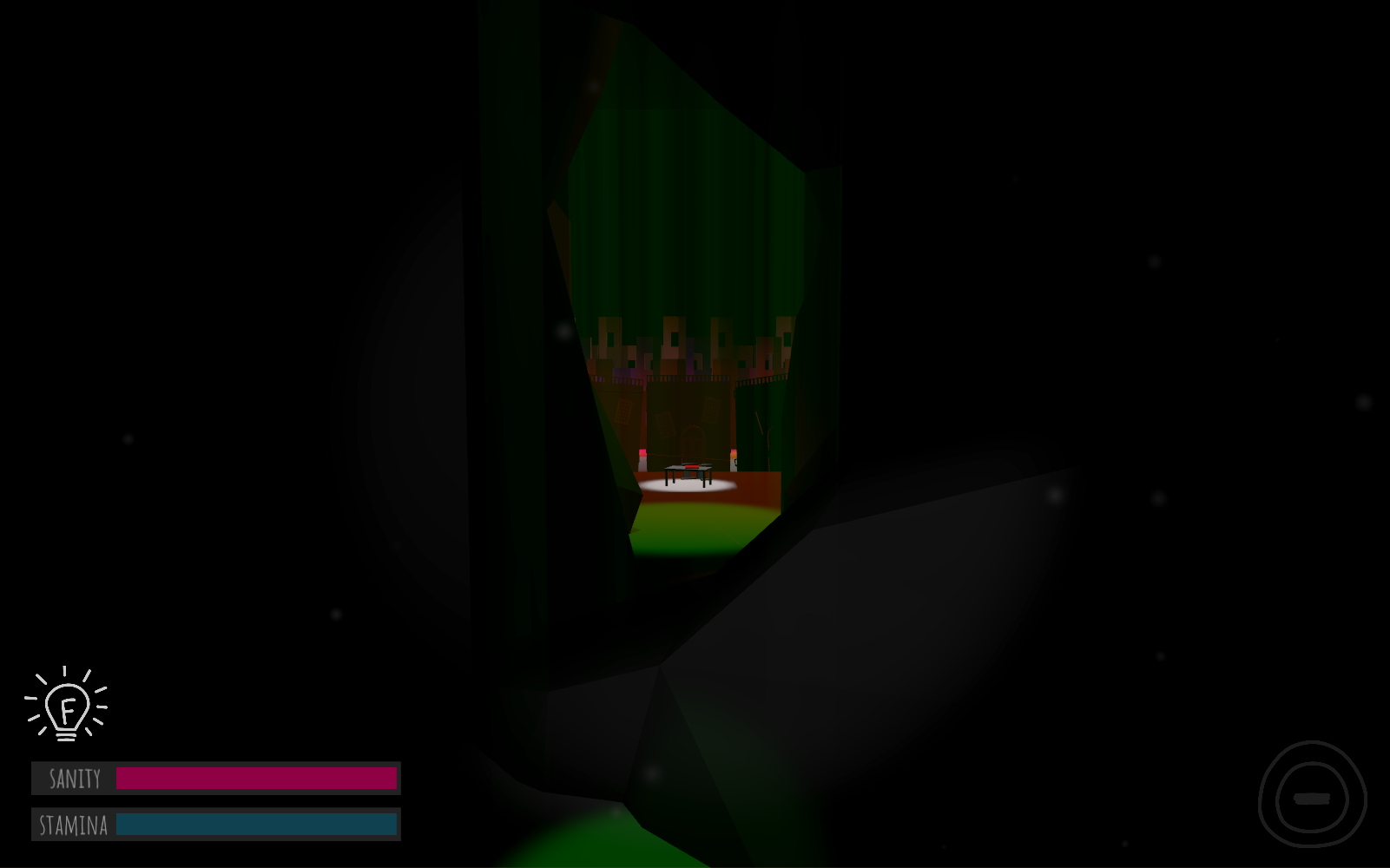
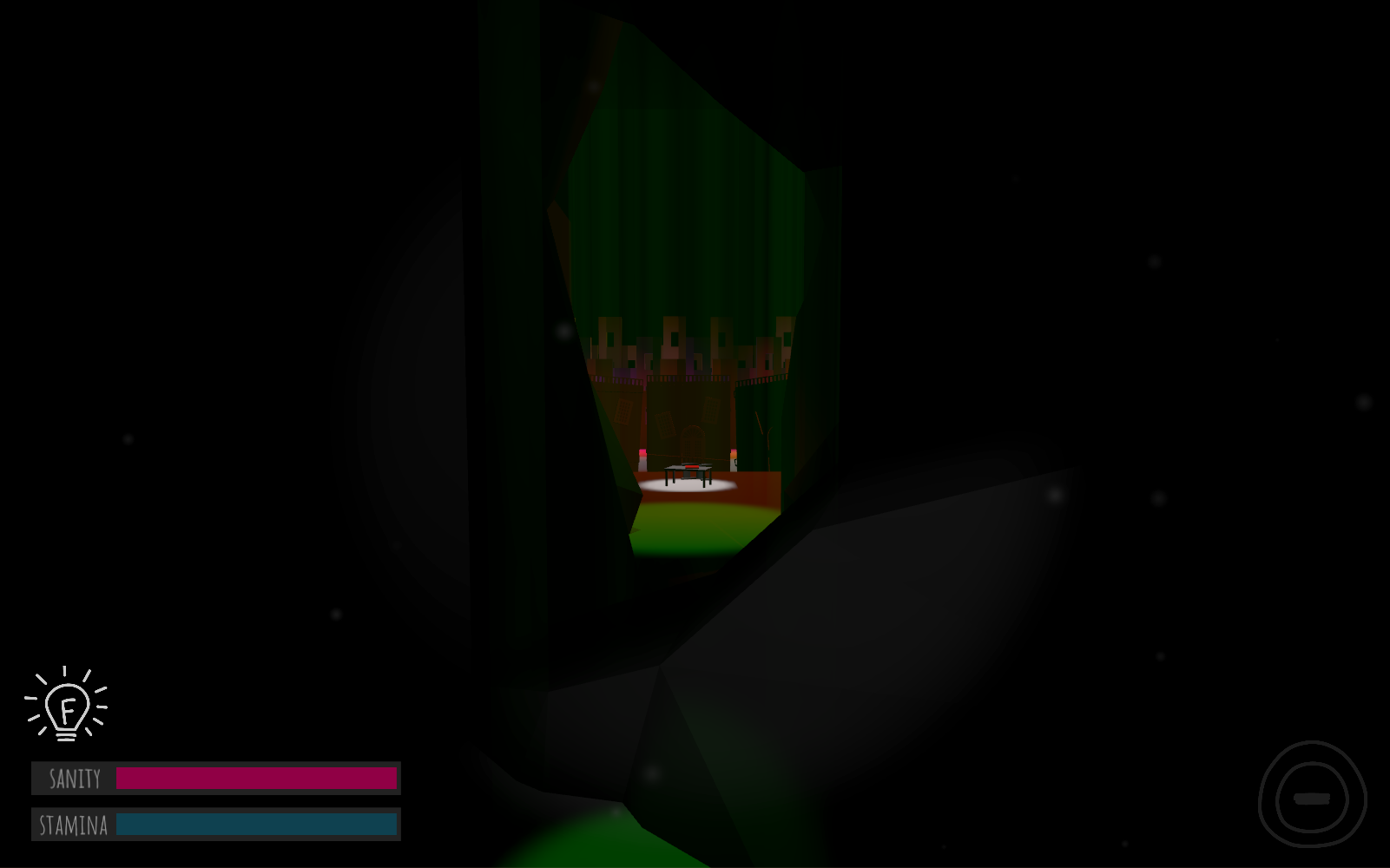
For the last area of the first level, a lot of vivid colors were used to make it feel theatrical and unreal.
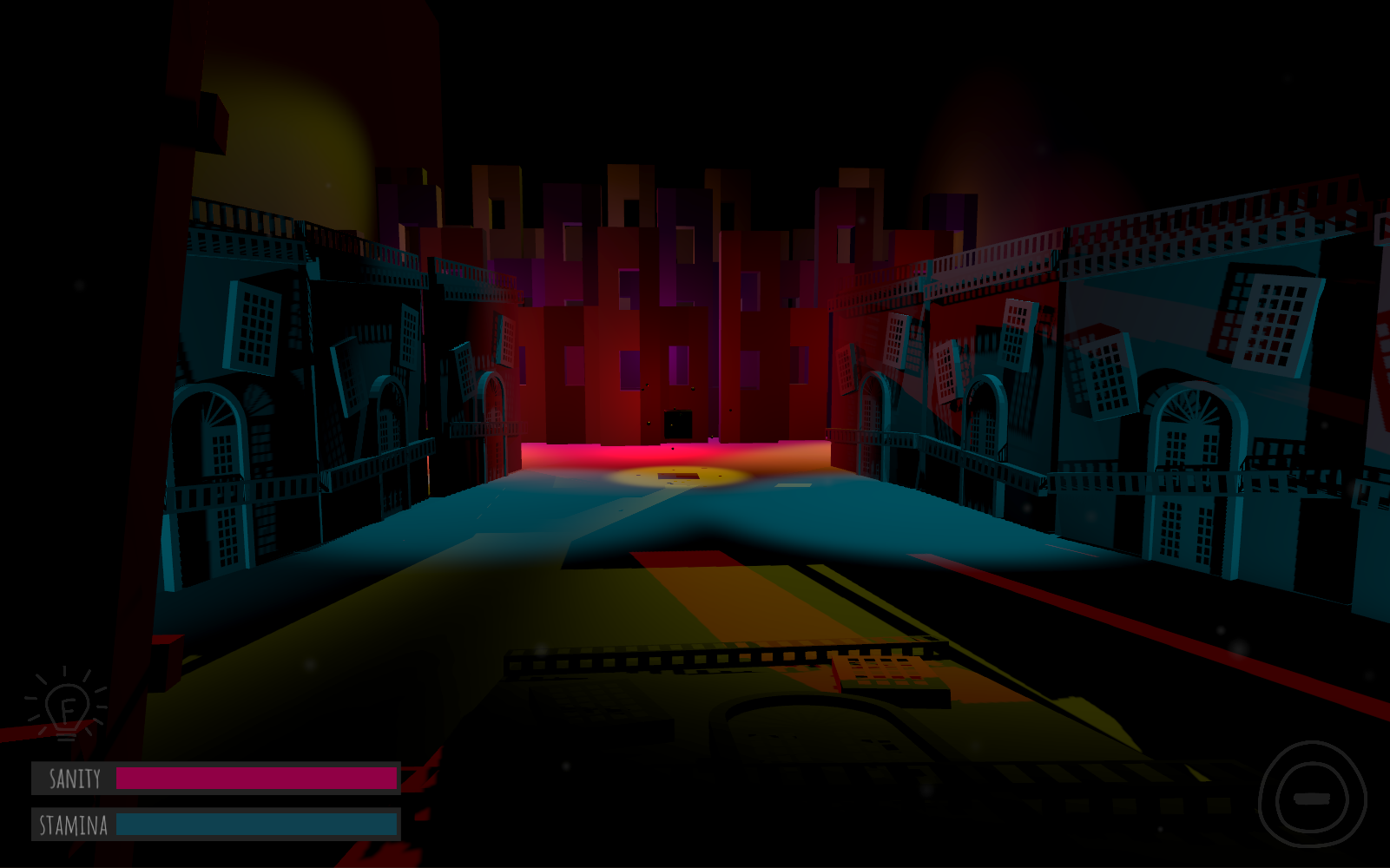
In future iterations of the project, it would be interesting to see more interactive objects and “living” creatures. More emphasis should also be placed on enemy sight lines and patrol routes.